
Choose the Right Paint for Every Room in Your Home
Robbie Balla • July 22, 2025

Choose the Right Paint for Every Room in Your Home

When it comes to transforming your house into a home, the paint you choose can make all the difference. From setting the right mood to ensuring durability against wear and tear, picking the right kind of paint isn’t just about color—it’s about finding the right match for each space’s unique needs. Whether you're creating a calming sanctuary in the bedroom or a practical, easy-to-clean kitchen, every room demands thoughtful consideration.


With expert guidance from Peninsula Painting, the process becomes seamless, ensuring your rooms not only look great but also stand the test of time. Here's a room-by-room breakdown on how to choose the ideal paint for your home.


Kitchen Paint Choices 

Durability and Cleanability 

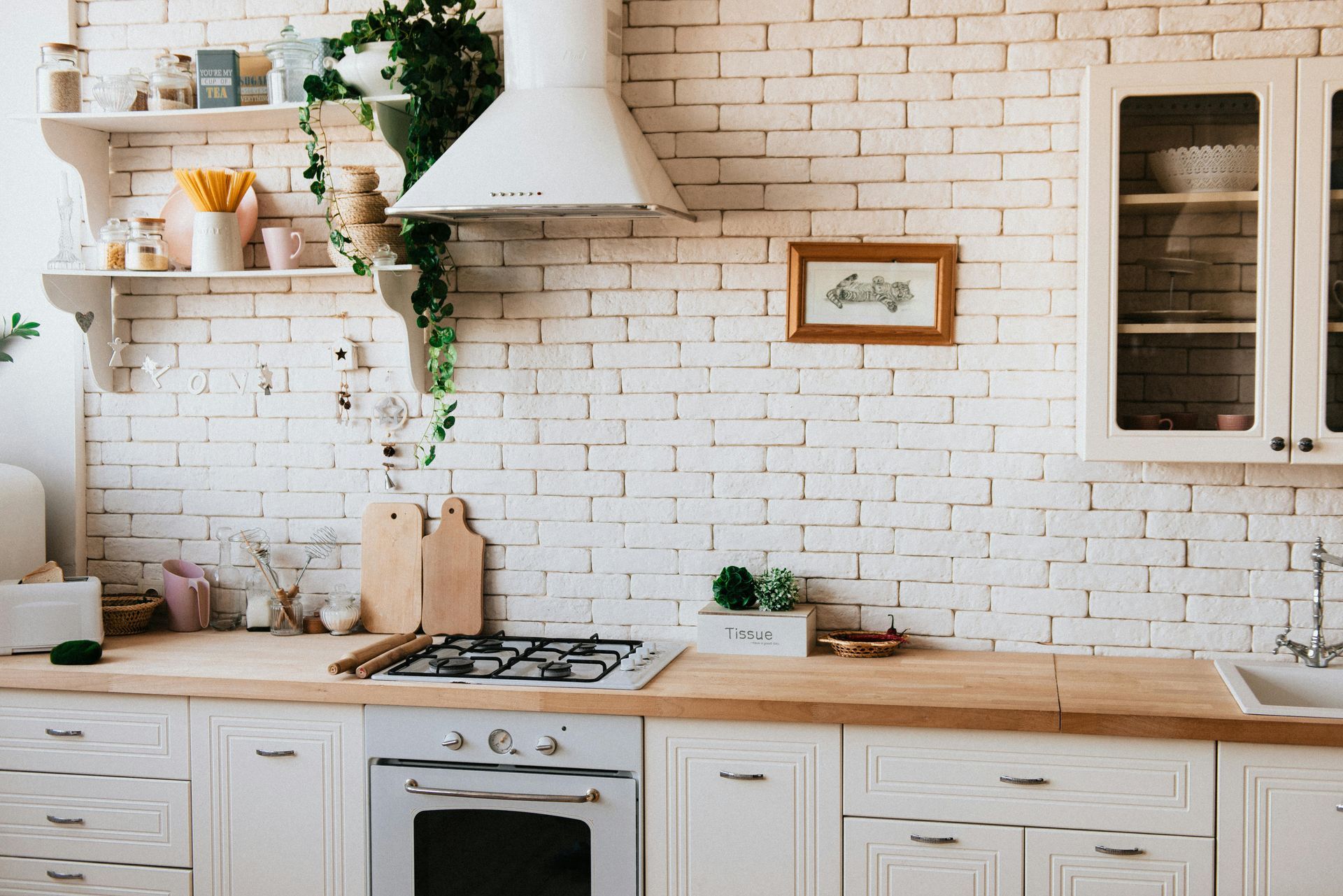
Kitchens are high-traffic areas prone to grease, stains, and moisture. This makes satin or semi-gloss finishes the prime choices. These finishes are not only easy to clean but also resistant to moisture damage, ensuring longevity in this busy space. 

The Color Impact 

Warm colors like yellows, oranges, and soft reds are popular in kitchens because they evoke energy and warmth—perfect for a space where meals (and memories) are made. Consider lighter hues to keep the space feeling open and airy, especially for smaller kitchens. 

Pro Tip from Peninsula Painting 

Ensure you invest in a high-quality washable paint to tackle stains and splatters with ease. Peninsula Painting can help you pick an eco-friendly, stain-resistant option perfect for your kitchen. 


Bathroom Paint Choices 

Moisture Resistance is Key 

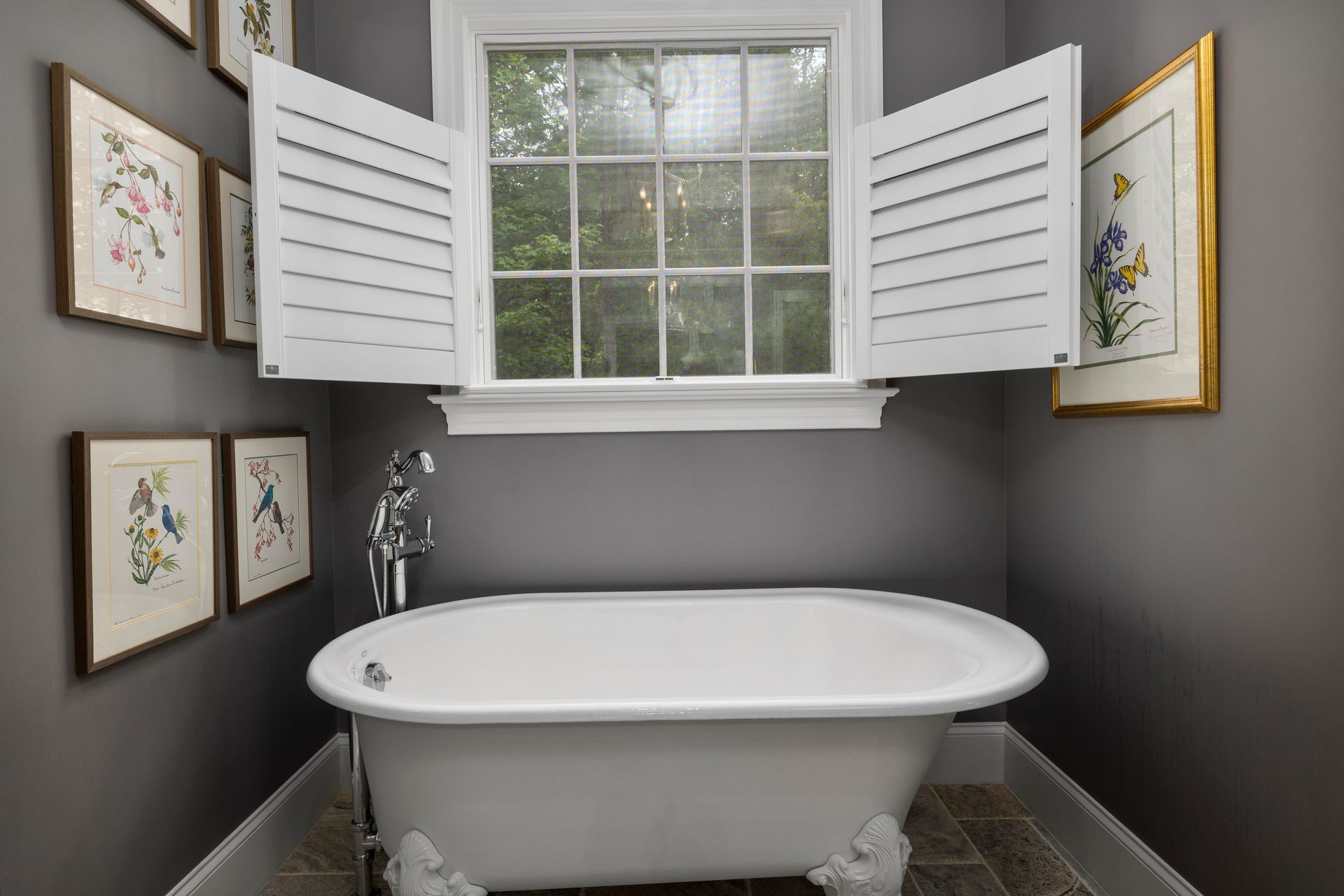
Bathrooms are another moisture-heavy area, making semi-gloss and gloss finishes indispensable. These paints are resistant to water and can withstand the constant exposure to steam, preventing peeling and mildew. 

Calming Colors for Relaxation 

Cool tones like soft blues, greens, and lavenders promote a spa-like atmosphere and pair beautifully with white or neutral accents. 

Pro Tip from Peninsula Painting 

Always opt for paint labeled "mildew-resistant" for bathroom areas. Peninsula Painting also recommends proper ventilation to maximize the lifespan of your chosen paint. 


Bedroom Paint Choices 

Comfort Over Everything 

Bedrooms are your personal retreats, requiring a cozy and calming vibe. Go for matte or eggshell finishes for a non-reflective, soothing surface. These finishes hide imperfections beautifully, allowing you to relax without worrying about wall blemishes. 

Color Psychology Matters 

Soft, cool hues like blues, greens, and pastel shades are excellent for encouraging rest and relaxation. For those who prefer a warmer ambiance, soft beige or blush tones can create a cocoon-like feel. 

Pro Tip from Peninsula Painting 

Peninsula Painting can guide you on how natural lighting affects color perception in your bedroom, ensuring the perfect shade for both day and night. 


Living Room Paint Choices 

Versatility First 

Your living room is the heart of your home, often used for entertaining, relaxing, or family time. Opt for eggshell or satin finishes—these provide a hint of sheen that’s easy to clean without being overly glossy. 

Picking a Welcoming Color Palette 

Neutral tones such as soft grays, taupes, and creams create a timeless and adaptable base. Layering in accent colors like navy, green, or mustard yellows through décor can add warmth and personality. 

Pro Tip from Peninsula Painting 

For open-plan living rooms, Peninsula Painting suggests using complementary shades to create subtle distinctions between areas like dining and lounging. 


Hallways and Entryways 

High Traffic Requires High Durability 

Hallways and entryways see a lot of foot traffic. Opt for satin or semi-gloss finishes that are durable and easy to clean. 

Stay Neutral 

Light, neutral colors work wonders in making narrow hallways appear larger and brighter. You can also use accent walls or darker shades for depth in more spacious foyers. 

Pro Tip from Peninsula Painting 

Don’t compromise on quality in high-traffic areas. Peninsula Painting can recommend premium, scuff-resistant paints to keep these well-used spaces looking pristine. 


Additional Considerations 

Why Finish Is as Important as Color 

Choosing the right finish isn’t just about appearances—it impacts the durability and functionality of your paint. Here’s a quick guide to finishes:

  • Flat/Matte: Great for low-traffic rooms like bedrooms; hides imperfections but isn’t easy to clean. 
  • Eggshell: Slightly more durable; works in living rooms or dining spaces. 
  • Satin: Ideal balance between durability and aesthetics; holds up in kitchens, hallways, and playrooms. 
  • Semi-gloss/Gloss: Extremely durable and moisture-resistant; best for kitchens, bathrooms, and trim work. 

The Role of Color Psychology 

Colors evoke emotions, so think about the mood you want each room to inspire. Here’s a cheat sheet:

  • Warm colors (reds, oranges, yellows): Energizing and social 
  • Cool colors (blues, greens, purples): Calming and restful 
  • Neutral colors (grays, beiges, whites): Sophisticated and versatile 


Why Choose Peninsula Painting? 

Deciding on the right type of paint for your home can be overwhelming—with so many finishes, textures, and colors to consider. That’s where Peninsula Painting makes all the difference. They bring years of expertise to the table, offering personalized consultations and professional services that take the guesswork out of painting. 

With Peninsula Painting, you’ll receive recommendations tailored to your home’s unique needs, ensuring stunning, durable results. Whether you're revamping a single room or tackling an entire home makeover, their high-quality materials and skilled craftsmanship guarantee excellence.


Start Your Home’s Transformation Today 

With the right paint choices, you can elevate your home’s aesthetic while also creating spaces that are functional and enduring. If you’re ready to bring your vision to life, Peninsula Painting is your go-to partner for flawless results. 

Reach out today for a free consultation and take your first step toward a more beautiful home. The walls are ready—are you?


For more information, please visit our Interior page.


November 30, 2025
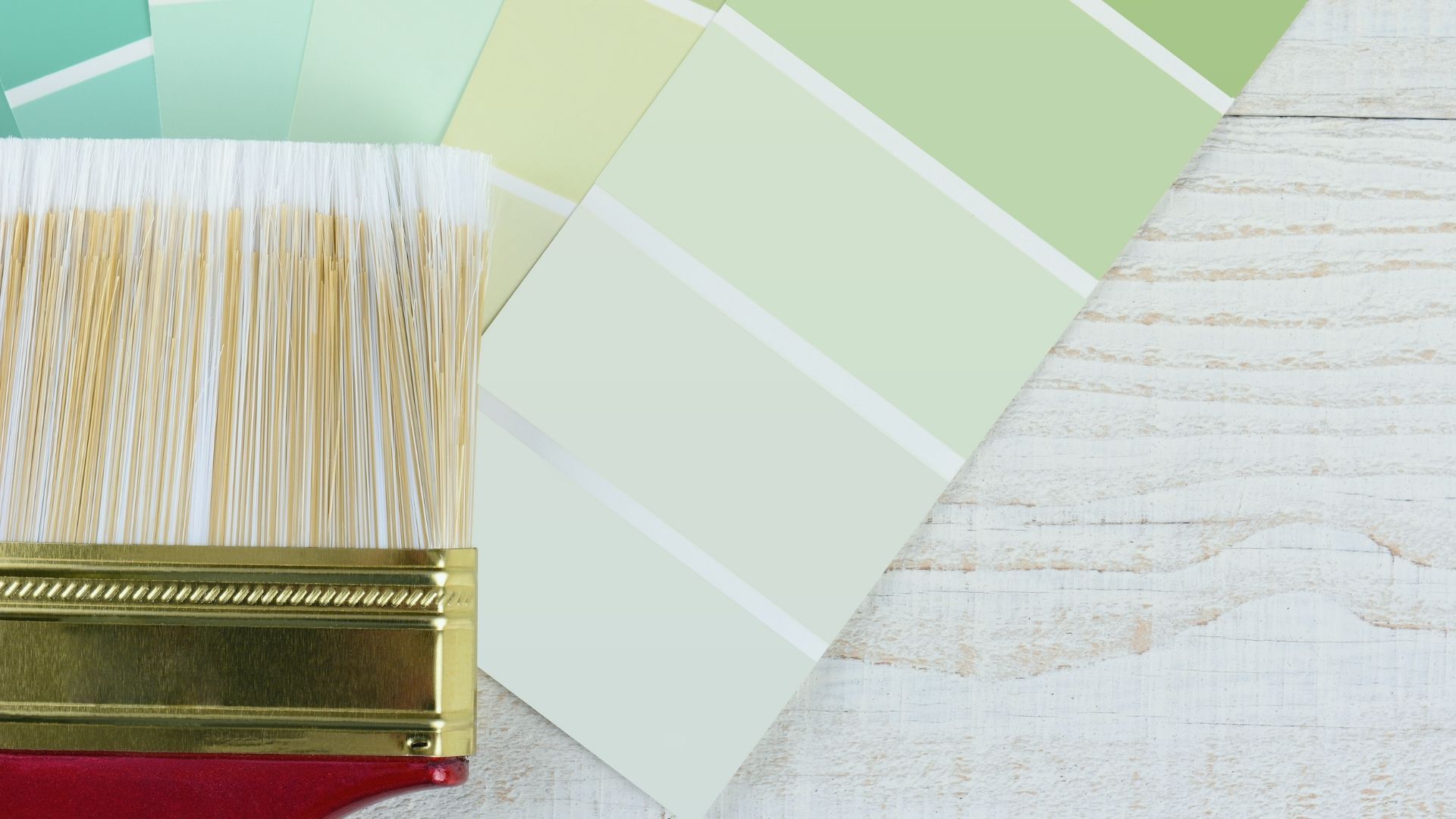
Choosing a paint colour feels like it should be simple, but the endless rows of swatches at the hardware store can quickly become overwhelming. That perfect shade of gray on the card can suddenly look purple on your wall, and the bright, sunny yellow you envisioned might feel more like a warning sign. The truth is, selecting the right paint colour is both an art and a science. It involves more than just picking your favorite hue; it requires considering the unique characteristics of your space.  Making the right choice can transform a room from ordinary to extraordinary, affecting your mood and the overall feel of your home. We'll walk you through the key factors to consider so you can choose your next paint colour with confidence. From the amount of natural light to the room's intended purpose, each element plays a crucial role in finding that perfect shade. The Big Four of Colour Selection Before you even look at a paint chip, take a moment to assess your space. Understanding these four key factors will narrow down your options and guide you toward a color that truly works. 1. Room Size and Proportions Paint has a powerful ability to trick the eye. You can use it to make a small room feel larger or a vast, empty space feel cozier and more intimate. ● For Small Rooms: Lighter colors are your best friend. Shades of white, cream, pale blue, and soft gray reflect light, creating an illusion of openness and space. Painting the trim and ceiling a slightly lighter shade than the walls can also make the room feel taller and more expansive. ● For Large Rooms: If you have a large room that feels a bit cold or impersonal, warmer and darker colors can help. Deep blues, rich greens, charcoal grays, or even warm terracottas can absorb light and make the walls feel closer, creating a cozier, more inviting atmosphere. You can also paint an accent wall in a bold colour to add a focal point without overwhelming the space. 2. Lighting, Lighting, Lighting Light is perhaps the single most important factor in how a paint colour will look in your home. The same colour can appear dramatically different depending on the light source, which is why testing samples on your wall is so important. ● Natural Light: Consider the direction your windows face. North-facing rooms receive cool, indirect light, which can make colors appear duller or bluer. Warm colours can help balance this out. South-facing rooms get intense, bright light all day, which can make any colour look brighter and more vivid. East-facing rooms get warm light in the morning and cooler light in the afternoon, while west-facing rooms are the opposite. ● Artificial Light: The type of light bulbs you use also impacts color. Incandescent bulbs cast a warm, yellow-toned light that enhances warm colors. Halogen bulbs produce a whiter, more sun-like light. LED bulbs come in a range of temperatures, from cool to warm, so you can customize your lighting to complement your paint choice. 3. The Room's Purpose and Mood Think about how you use the room and the atmosphere you want to create. Colour has a psychological effect and can influence your mood and energy levels. ● Bedrooms: These are personal sanctuaries for rest and relaxation. Cool colous like blue, green, and lavender are known for their calming effects, making them excellent choices for a peaceful bedroom. Soft, neutral tones also create a serene environment. ● Living Rooms and Family Rooms: As social hubs, these spaces can handle a bit more personality. The color you choose depends on your desired vibe. Warm tones like beige, soft yellows, or earthy greens can make the space feel welcoming and comfortable. If you entertain often, a bolder accent wall might add energy and a conversation starter. ● Kitchens: Kitchens are often high-energy spaces. Bright, clean colors can feel refreshing. White is a classic for a reason, creating a sense of cleanliness and space. However, warm reds and yellows are believed to stimulate appetite, making them popular choices as well. ● Bathrooms: Often seen as a place to refresh and rejuvenate, bathrooms work well with crisp, clean colors like whites, soft grays, and blues. Spa-inspired palettes featuring shades of green and tranquil blue are also very popular for creating a relaxing escape. 4. Your Personal Style and Existing Decor Finally, the paint colour must work with what you already have. Unless you're starting from scratch, your furniture, flooring, artwork, and textiles will all influence your decision. Take a look at the major elements in your room. Do you have a statement piece, like a colourful sofa or a patterned rug? You can pull a colour from that item to use on your walls for a cohesive look. If your furnishings are mostly neutral, you have more freedom to go bold with your wall color. Your personal style is paramount. Are you a minimalist who loves clean lines and neutral palettes? Or do you prefer a bohemian style with rich, eclectic colors? Your home should be a reflection of you, so don't be afraid to choose a coluor you truly love, even if it breaks a few "rules." Don't Go It Alone: Expert Guidance Makes a Difference Feeling more prepared but still a little hesitant to make the final call? You're not alone. Choosing a color is a big commitment, and getting it right is important. That's where professional guidance can be invaluable. The team at Peninsula Painting doesn't just apply paint; we help you navigate the entire colour selection process. Our experts understand the nuances of how light, space, and color theory interact. We can provide personalized consultations right in your home, helping you see how different shades will look in your unique environment. We'll bring samples and offer insights to ensure the color you choose is one you'll love for years to come. Once the perfect colour is selected, our professional crew takes over. We handle all the prep work, protect your belongings, and apply the paint with precision and care, delivering a flawless finish that brings your vision to life. Let us help you transform your space with the power of color.
October 29, 2025
Tired of staring at the same four walls? A burst of color can completely transform a room, breathing new life into your space without needing a full-scale renovation. Whether you’re looking for a subtle change or a dramatic overhaul, adding color is a powerful way to refresh your home's personality. We'll explore three effective ways to do this: through accessories, wallpaper, and of course, paint. 1. Start Small: The Power of Accessories If you're hesitant to commit to a bold wall color, accessories are your best friend. They offer a low-risk, high-reward way to experiment with different shades and see what you love. This approach is perfect for renters or anyone who enjoys changing their decor with the seasons. Weave in Colourful Textiles Textiles are one of the easiest ways to introduce color. Think about adding: ● Throw Pillows and Blankets: Drape a vibrant throw over your neutral sofa or add a few jewel- toned pillows. These can be easily swapped out to change the mood of the room instantly. ● Rugs: An area rug can anchor a room and define a space with color and pattern. A bold rug can serve as the centerpiece, with other colors in the room complementing it. ● Curtains: Window treatments frame your view of the outside world, so why not make them interesting? Colorful curtains can filter light beautifully and add a soft, elegant touch of colour. Display Colourful Decor Look around your room for surfaces that could use a pop of personality. Bookshelves, coffee tables, and mantels are prime real estate for colourful objects. ● Vases and Planters: A bright ceramic vase—with or without flowers—can be a simple yet effective accent. Grouping several vases of different shapes and shades can create a compelling focal point. ● Artwork: A large piece of art can introduce a whole palette of colors. You can pull shades from the artwork to use in other accessories throughout the room, creating a cohesive look. ● Books: Don't underestimate the power of book spines. Arranging books by color on a shelf can create a stunning rainbow effect that is both personal and stylish. 2. Make a Statement with Wallpaper Wallpaper has made a major comeback, and modern designs are more beautiful and easier to apply than ever. It's a fantastic way to add pattern, texture, and a complex color story to your space. Choose Your Feature Wall You don’t need to paper an entire room to make an impact. An accent wall, also known as a feature wall, is often all you need. ● Behind the Bed: In a bedroom, the wall behind the headboard is a classic choice for a feature wall. It creates a focal point and adds a sense of luxury. ● In the Entryway: Welcome guests with a stunning first impression. A vibrant wallpaper in the foyer sets a creative tone for the rest of your home. ● Unexpected Places: Think outside the box. Wallpaper the back of a bookshelf, the ceiling, or a small powder room for a delightful and unexpected design moment. Selecting the Right Pattern The scale of the pattern should match the scale of your room. ● Large-Scale Patterns: Bold, large patterns work best in bigger rooms, where they have space to breathe. In a smaller room, they can feel overwhelming. ● Small-Scale Patterns: Delicate, smaller prints can add texture and interest without overpowering a small space. They are great for creating a cozy, intimate feel. Don't be afraid to mix patterns, but try to stick to a consistent colour palette to keep the look cohesive. If your wallpaper is busy, keep other patterns in the room more subdued. 3. Transform with Paint Paint is the most versatile and impactful tool for changing a room. The right color can alter your perception of space, influence your mood, and tie all your decor elements together. Beyond Four Walls of the Same Colour While a fresh coat of a single colour is always effective, think about more creative applications. ● The Accent Wall: This is a popular technique for a reason. Painting one wall a different, bolder colour adds depth and draws attention to a specific area of the room. It’s a great way to highlight a fireplace or a beautiful piece of furniture. ● Painted Ceilings: Often called the "fifth wall," the ceiling is a frequently overlooked surface. A soft blue can evoke the sky, while a dark, dramatic color in a room with high ceilings can create a cozy, intimate atmosphere. ● Color Blocking: Use painter's tape to create sharp, geometric shapes on your walls. You can create arches, circles, or diagonal blocks of color for a modern, graphic look. This is a great way to define a small nook or create the illusion of architectural details. Choosing the Perfect Shade Color psychology is real. Warm colors like red, orange, and yellow can make a room feel energetic and inviting. Cool colors like blue, green, and purple tend to have a calming, serene effect. Before you commit, always test paint samples on your wall. Colors can look different depending on the light in your room at various times of day. Let the Professionals Handle the Painting While adding accessories and even some wallpaper can be fun DIY projects, painting requires skill and precision for a truly professional finish. A flawless paint job sets the foundation for your entire design. At Peninsula Painting, we understand the power of colour. Our team of experienced professionals can help you achieve the look you’ve been dreaming of. We handle all the prep work, from patching holes to protecting your furniture, ensuring clean lines and a durable finish. Whether it’s a single accent wall or a complex color-blocking design, we have the expertise to bring your vision to life perfectly. Ready to transform your space with a splash of coloru? Contact Peninsula Painting today for a consultation, and let’s start planning your room’s beautiful new look.
September 30, 2025
Giving your kitchen a fresh, new look doesn't always require a full-scale renovation. If you're wondering whether your existing kitchen cupboards can be painted, the answer is a resounding yes. Painting your cupboards is a cost-effective and transformative way to update your space. With the right preparation and materials, you can achieve a durable, beautiful finish that completely revitalizes your kitchen. This guide will walk you through everything you need to know, from prepping your surfaces to choosing the best paint. We'll cover the essential steps to ensure a professional-quality result that lasts. Why Paint Your Kitchen Cupboards? Painting is a popular choice for homeowners looking to refresh their kitchen without the expense and hassle of a complete tear-out. It allows you to customize the color and style of your kitchen, whether you're aiming for a modern, classic, or eclectic look. A fresh coat of paint can instantly brighten a dark kitchen, make a small space feel larger, and increase your home's overall appeal. The Importance of Proper Preparation The key to a flawless and long-lasting paint job lies in the preparation. Skipping these crucial steps can lead to peeling, chipping, and an uneven finish. Proper prep ensures that the paint adheres correctly to the surface, creating a smooth and durable coating that can withstand the daily wear and tear of a busy kitchen. Step 1: Clean the Surfaces Thoroughly Kitchen cupboards accumulate grease, oil, and grime that can prevent paint from sticking. Before you do anything else, you must clean every surface meticulously. Use a degreasing cleaner specifically designed for kitchens. A solution of warm water and trisodium phosphate (TSP) or a specialized cabinet cleaner works well. Apply the cleaner with a sponge or cloth, scrubbing gently to remove all residue. Pay special attention to areas around the handles and stove, as these tend to be the grimiest. After cleaning, wipe the cupboards down with a clean, damp cloth to remove any leftover cleaning solution and let them dry completely. Step 2: Remove Doors, Drawers, and Hardware For the best results, you need to work on a flat surface. Unscrew all the doors from their hinges and remove all drawers from the cabinets. Take off all handles, knobs, and other hardware. Place these small pieces in labeled bags so you know exactly where everything goes when it's time to reassemble. This step prevents drips and ensures you can paint every nook and cranny without obstruction. Step 3: Sand for a Smooth Foundation Sanding is a critical step that creates a slightly roughened surface for the primer and paint to grip onto. If you skip sanding, your new paint job is more likely to peel or scratch off easily. Use a medium-grit sandpaper (around 120-grit) to scuff up the existing finish. You don't need to remove the old paint or varnish completely; you just need to degloss the surface. For flat areas, a sanding block or orbital sander will speed up the process. For detailed or curved areas, hand sanding is best. After sanding, wipe away all the dust with a tack cloth or a microfiber cloth dampened with mineral spirits. Step 4: Prime for Adhesion and Durability Primer is the bridge between the old surface and the new paint. It blocks stains, ensures even color, and provides a superior bond for the topcoat. Using a high-quality primer is essential for kitchen cupboards. Choose a stain-blocking, adhesion-promoting primer. Apply a thin, even coat to all surfaces—doors, drawer fronts, and cabinet frames. A small roller works well for flat surfaces, while a brush is better for detailed areas. Allow the primer to dry completely according to the manufacturer's instructions, which may take several hours. For an extra-smooth finish, you can lightly sand the primed surface with fine-grit sandpaper (220-grit) and wipe it clean before painting . Choosing the Right Paint Kitchen cupboards face a lot of use, so you need a paint that is tough, durable, and easy to clean. Look for paints specifically formulated for cabinets, trim, or high-traffic areas. Types of Paint to Consider ● Acrylic Enamel Paint: This is a popular choice for cabinets. High-quality water-based acrylic enamels are low-odor, dry quickly, and clean up easily with soap and water. They cure to a hard, durable finish that resists stains and scrubbing. ● Oil-Based Enamel Paint: Traditionally known for their extreme durability and smooth finish, oil-based paints are still an option. However, they have a strong odor, take longer to dry, and require mineral spirits for cleanup. ● Cabinet and Trim Paint: Many paint brands now offer specialized paints designed just for cabinets and trim. These are often self-leveling, which helps minimize brush marks, and cure to a very hard, factory-like finish. No matter which type you choose, opt for a satin or semi-gloss sheen. These finishes are easier to wipe clean than matte or eggshell sheens, which is a significant advantage in a kitchen environment. Ready for a Flawless Finish? Painting kitchen cupboards is a rewarding project, but it requires patience, precision, and a lot of detailed work. From thorough cleaning and sanding to careful priming and painting, every step is crucial for achieving a finish that looks great and stands the test of time. If you want a guaranteed professional result without the time and effort, consider hiring experts. The team at Peninsula Painting specializes in cabinet painting and can help you achieve a flawless, durable finish. We use high-quality materials and proven techniques to transform your kitchen cupboards, giving your space the beautiful update it deserves. Contact us today to learn how we can help with your kitchen project.
Man painting a white wall outdoors, wearing a red tank top, gray shorts, and black shoes.
By Daniel Zeng August 12, 2025
When is it Too Hot to Paint the Exterior of Your Home?
A man is painting a window with a brush.
By Robbie Balla June 28, 2025
Choose the Perfect Exterior Paint Color for Your Home
A living room with a couch , chair , table and paintings on the wall.
By Robbie Balla May 20, 2025
How Paint Colour Can Transform a Room
A woman is sitting on a porch painting a window.
By Robbie Balla April 22, 2025
Is Spring a Good Time to Paint the Exterior of My Home?
A bedroom with a bed , nightstand , candles and slippers.
By Sara DeSantis March 18, 2025
The Best Bedroom Colors for Restful Sleep
A living room with a white couch and a wooden table.
By Thao N February 27, 2025
Calming Interior Paint Colours to Transform Your Space
A man is standing on a ladder painting a wall.
By Sara DeSantis January 17, 2025
Choosing the right paint colours for your home can be an exciting and transformative process. Whether you're a homeowner looking to refresh your space, a DIY enthusiast seeking inspiration, or an interior designer crafting the perfect palette for a client, the right paint colours play a crucial role in setting the mood and style of any room. To help you with this creative challenge, we've compiled a room-by-room guide filled with inspiring ideas from professionals like Peninsula Painting in Hamilton.
Show More